The New HHSRS: The Landlord Checklist Every Property Owner Should Have
The Housing Health and Safety Rating System has been revamped. Is your rental property ready? For landlords, property compliance is no longer simply about having the right certificates in place.
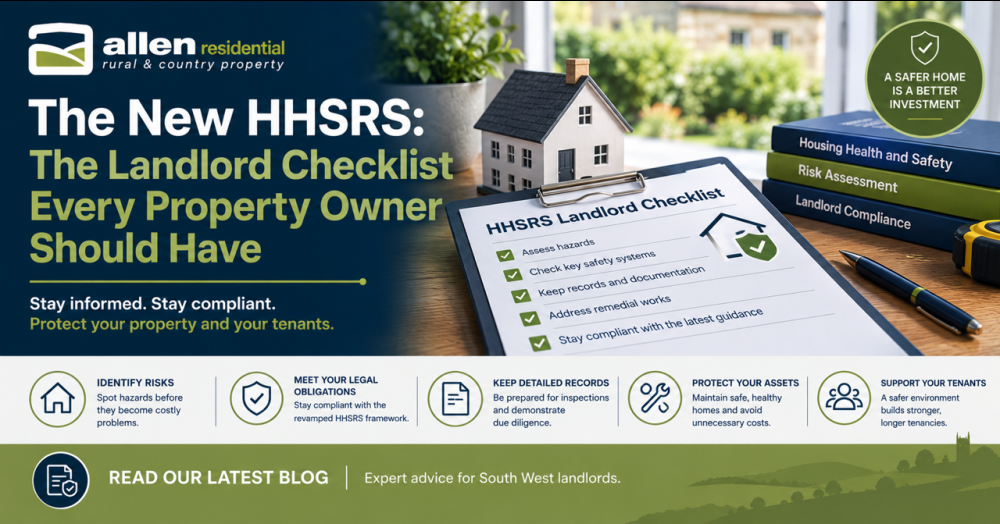
A property can have a valid gas safety certificate, an up-to-date EICR and the correct paperwork and still present health and safety risks that need to be addressed.
That is where the Housing Health and Safety Rating System (HHSRS) comes in.
In June 2026, the Government introduced a substantially revised HHSRS framework for England, including new statutory operating and enforcement guidance. The revised system reduces the number of hazards considered from 29 to 21, introduces updated assessment and scoring processes and provides new baseline indicators designed to make the system easier for landlords and property professionals to understand. (GOV.UK)
For landlords, this is an important development.
What is the HHSRS?
The HHSRS is a risk-based system used to identify and assess hazards within residential properties.
Rather than simply asking whether something is present, an HHSRS assessment considers the risk of harm to an occupier and the potential seriousness of that harm.
Local authorities use the system when assessing housing conditions and determining whether enforcement action may be appropriate. Category 1 hazards are the highest-risk hazards, while Category 2 hazards cover lower levels of risk. (GOV.UK)
The important point for landlords is that HHSRS is about the condition and safety of the property as a whole.
It goes beyond simply checking whether individual certificates have been completed.
So, what has changed?
The revised HHSRS brings together a number of changes intended to make the system more accessible and consistent.
Most notably, the number of potential hazards has been reduced from 29 to 21, with several related hazards combined. The Government has also introduced new baseline indicators to help landlords and other property professionals identify potential problems before they become more serious. (GOV.UK)
These baseline indicators are particularly useful.
They provide practical points that landlords can consider when reviewing their properties, while importantly not replacing a full HHSRS assessment. (GOV.UK)
In other words, landlords now have a useful opportunity to be more proactive.
The HHSRS Landlord Checklist
A professional property inspection should look beyond the obvious.
When reviewing your rental property, consider the following areas.
1. Structure and condition
Check that the property is:
● Structurally sound
● In good repair
● Free from significant defects
● Safe to occupy
● Free from dangerous projections or defects
● Properly maintained
Do not assume that because a property is standing and occupied, its condition automatically meets the required standard.
2. Falls and trip hazards
Look carefully at:
● Stairs and steps
● Handrails and guarding
● Flooring
● Carpets
● Changes in floor levels
● External paths and access
● Bathrooms and shower areas
● Slippery surfaces
Small defects can become significant hazards where they increase the likelihood of someone falling.
3. Fire and explosions
Fire safety remains a critical area of property management.
Check:
● Smoke alarms
● Carbon monoxide alarms
● Fire doors where applicable
● Escape routes
● Obstructions
● Electrical installations
● Heating appliances
● Combustible materials
● Access and egress
● The condition of relevant fixtures and fittings
The revised HHSRS now brings fire and explosions together within a single hazard category. (GOV.UK)
4. Damp, mould and excess moisture
Landlords should be particularly alert to:
● Damp
● Visible mould
● Condensation
● Inadequate ventilation
● Water penetration
● Leaks
● Defective gutters or downpipes
● Poor extraction
● Cold surfaces
A recurring issue should not simply be painted over.
The underlying cause should be investigated and, where necessary, appropriate remedial work undertaken.
5. Excess cold and excess heat
Consider whether the property can reasonably provide a safe and comfortable environment.
Look at:
● Heating systems
● Insulation
● Draughts
● Windows and doors
● Ventilation
● Hot water provision
● The condition and effectiveness of heating appliances
6. Electrical safety
Check that electrical installations and equipment are appropriately maintained.
This should sit alongside your existing electrical safety obligations and regular compliance processes.
Look for:
● Damaged sockets
● Exposed wiring
● Overloaded sockets
● Damaged switches
● Faulty fittings
● Poorly maintained appliances
● Signs of overheating
7. Kitchens and sanitary facilities
Bathrooms and kitchens should be properly designed, maintained, ventilated and equipped.
Check:
● Toilets
● Baths and showers
● Sinks
● Taps
● Drainage
● Ventilation
● Kitchen work surfaces
● Cooking facilities
● Fixtures and fittings
● General cleanliness and condition
The revised guidance provides specific baseline considerations for sanitary facilities, kitchens, drainage and plumbing. (GOV.UK)
8. Water supply and plumbing
Check that the property has an appropriate water supply and that plumbing systems are maintained.
Look for:
● Leaks
● Poor water pressure
● Damaged pipework
● Defective drainage
● Inadequate hot water
● Problems with water heating
9. Space, security and accessibility
Consider whether the property is safely and appropriately laid out.
Review:
● Room sizes
● Layout
● Doors and access
● Locks
● Windows
● Lighting
● Storage
● External access
● Potential collision or entrapment risks
The new framework brings several previously separate areas together, meaning landlords should consider how different aspects of a property interact rather than inspecting each issue in isolation. (GOV.UK)
Why should landlords act now?
The biggest mistake a landlord can make is to view HHSRS as something that only matters if the council arrives at the door.
A proactive approach is very different.
Instead of waiting for a tenant complaint or local authority inspection, landlords can regularly review the condition of their property and identify potential issues early.
That means:
Identify → Record → Assess → Repair → Review
It is also worth keeping appropriate records of inspections, maintenance and remedial works.
A clear audit trail can demonstrate that property condition is being actively managed rather than dealt with only when a problem arises.
The checklist is not a substitute for an HHSRS assessment.
This distinction is important.
The Government’s new baseline indicators are intended to make the system more accessible and provide landlords with practical ways of considering potential hazards.
However, they do not replace a full HHSRS risk assessment. (GOV.UK)
An actual HHSRS assessment considers the individual circumstances of the property, the likelihood of harm and the potential severity of that harm.
The revised guidance therefore provides landlords with a valuable starting point but professional judgement remains important.
Do you know what is hiding in your property?
Many landlords are confident that their property is compliant because their certificates are up to date.
But property safety is broader than paperwork.
A loose handrail, defective flooring, inadequate ventilation, poor drainage, damaged glazing or an obstructed escape route may not appear on a standard compliance checklist yet could still contribute to a health or safety hazard.
That is why regular property reviews matter.
The new HHSRS framework gives landlords another reason to take a fresh look at their properties.
Want a HHSRS Landlord Checklist?
If you would like a practical HHSRS Landlord Checklist to help property owners work through the key areas covered by the revamped system and identify areas that may warrant further investigation, simply email us and request the HHSRS Landlord Checklist.
We will send you a copy to help you carry out a proactive review of your rental property.
Email us today to request your copy by emailing: lettings@allen-residential.co.uk
Please note: our checklist is intended as a practical landlord resource and does not constitute a formal HHSRS assessment or legal advice. Landlords should consider the Government’s statutory guidance and obtain appropriate professional advice where necessary.
Stay proactive. Stay compliant. Protect your property and your tenants.